


- Kanna and kratom are both natural plant-based supplements with mood-altering effects.
- Kanna typically enhances mood and reduces anxiety, while kratom offers pain relief and stimulation.
- Understanding their differences can help users make informed and safe decisions.
As interest in plant medicines grows, more individuals are experimenting with botanical supplements for their physical and emotional well-being.
Kanna and kratom are often brought into the conversation because these two botanicals, though unrelated to each other, both influence mood and energy in distinct ways. To understand kanna vs. kratom, it’s essential to explore what each plant is and their traditional uses.
In this guide, we talk about the unique effects, benefits, and risks of kanna and kratom, helping you navigate their use more safely and effectively.
What Is Kanna?
Chewed, smoked, or boiled into tea and ingested for centuries by South Africa’s Khoisan people, kanna has been found to possess uplifting and calming effects.
The compounds in kanna interact with the body’s central nervous system, helping increase levels of the “feel-good” neurotransmitter serotonin. Kanna is not a stimulant or sedative. Rather, it possesses more subtle characteristics that enhance empathy, presence, and mental clarity.
These days, users most often consume kanna in powdered form, tincture, or extract gummies to calm anxiety, improve mood, and promote emotional openness.
What Is Kratom?
Kanna vs. kratom comparisons are a popular discussion, as both plants have roots in traditional cultural practices. Kratom has a long history in Southeast Asia, where its primary use was among workers seeking enhanced stamina, pain relief, and improved moods.
One of the unique aspects of kratom is that its characteristics can change based on how the plant is harvested. The traits of kratom can vary depending on the maturity level of the leaves at the time they are picked, as well as the concentration of alkaloids present.
Alkaloids are organic compounds that have a physiological effect on humans. In kratom, the main alkaloid is mitragynine. Kanna and kratom both contain alkaloids, just with different properties.
Kratom was traditionally either chewed or brewed into tea. Today, it is a popular supplement among those with chronic pain, fatigue, and anxiety. Similar to kanna, it is available as powder, capsule, or extract.
Effects and Benefits of Kanna
Kanna is widely known for its mood-enhancing traits. Users often report feeling more optimistic and present in the moment, as well as more emotionally connected to those around them when taking the supplement.
People who appreciate kanna the most are those who often struggle with anxiety when in social situations or feeling low for extended periods of time. Some studies even suggest that kanna could bolster concentration.
As a gentle, plant-based alternative to conventional pharmaceuticals, kanna appeals to those seeking natural support for emotional balance, stress relief, and overall mental well-being.
Effects and Benefits of Kratom
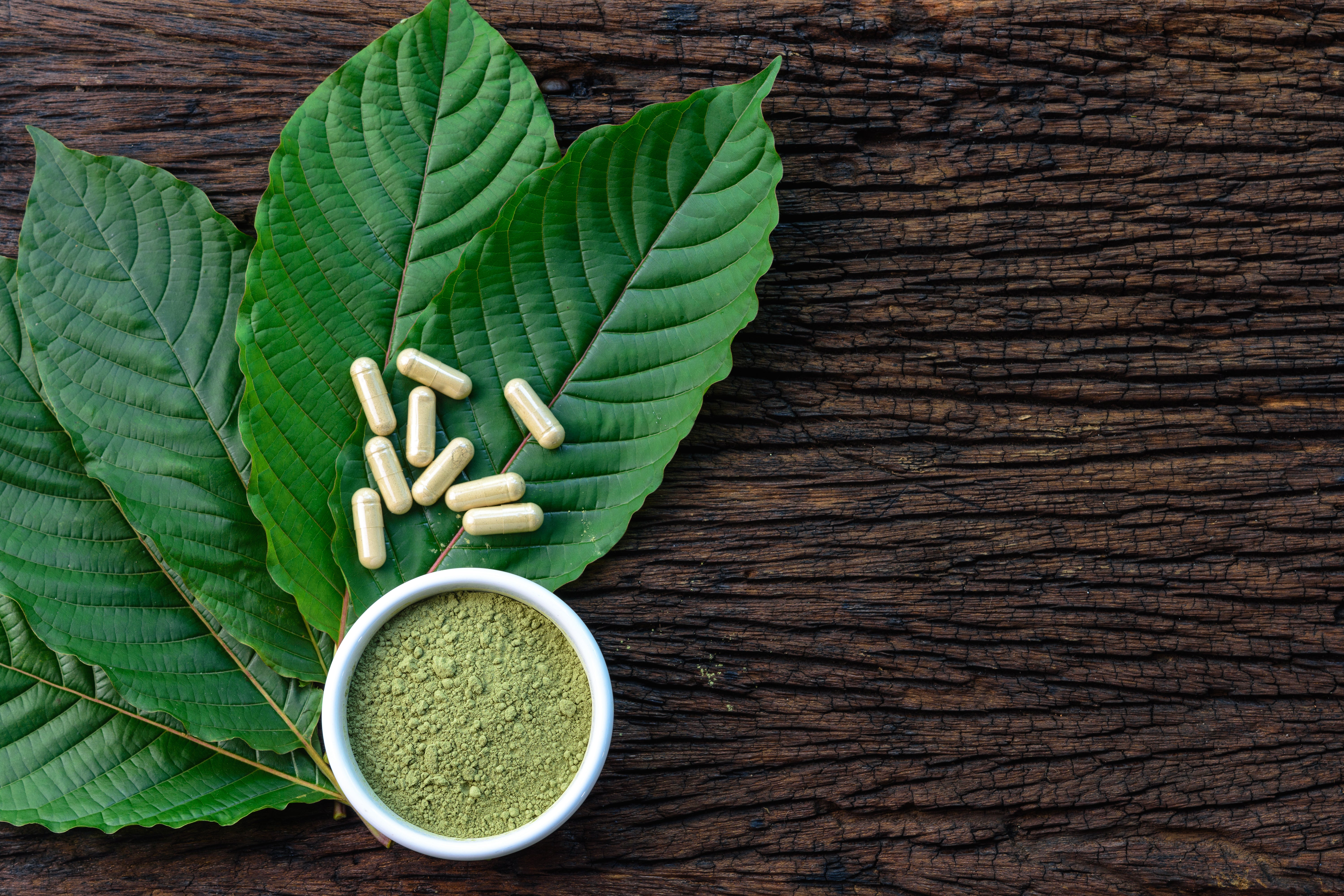
When comparing kanna vs. kratom, some people find kratom to be more effective, especially for physical wellness. At lower doses, kratom may enhance alertness and focus, while higher doses are often used to ease everyday aches and promote a sense of calm.
Kratom contains unique alkaloids, such as mitragynine and 7-hydroxymitragynine, which can mimic the body’s natural mechanisms for relieving physical discomfort. As a result, many people use kratom to help manage pain and fatigue.
Those seeking increased energy and physical relief from soreness typically prefer kratom, while kanna is more associated with emotional well-being. This is one reason why kratom has traditionally been popular among individuals engaged in strenuous physical labor for long hours.
The Potential Risks of Kanna vs. Kratom
Kanna is generally well-tolerated, but of course, everybody is different. When trying any supplement for the first time, it’s helpful to start at a lower dose to make sure it’s right for you.
In comparing kanna vs. kratom, kanna will typically be less intense with fewer physical side effects, such as nausea or dizziness, which are more common with kratom. The primary risk for both supplements is combining either of them with other substances.
Kanna should not be combined with selective serotonin reuptake inhibitors (SSRIs) or other medications or supplements that affect serotonin levels. This is due to the risk of serotonin syndrome. Having too many substances that increase serotonin in your body simultaneously can overwhelm your system and lead to adverse effects.
When using kratom, it’s crucial to be cautious about mixing it with alcohol or other central nervous system depressants. Such combinations can enhance each other’s effects, resulting in unpredictable outcomes. It’s best to purchase kratom with the intention of using it independently, without combining it with other substances.
Legal Status and Regulation
Kanna and kratom have significantly different legal statuses and regulations. Kanna is widely available as an herbal remedy and is legal in most countries, including the United States. In contrast, the legality of kratom is more complicated. While it is legal at the federal level in the U.S., it is illegal to possess in certain states and cities.
Kratom has faced considerable regulation and is classified as a controlled substance in many jurisdictions. There are currently pending bills in numerous states that might affect kratom’s legal status. It is important to note that neither of these natural supplements is regulated by the FDA.
On forums discussing kanna vs. kratom, factors like legality and availability are often as important to shoppers as the effects of the substances. With kratom, it is essential to consider your travel destination, as you may face legal consequences depending on the location.
Kanna vs. Kratom: Which Is Best For You?
If you’re looking for mood balance or stress relief, kanna could be the right supplement for you. For those who want more energy or relief from physical discomfort, kratom may provide the benefits you need.
At MN Nice, we offer a large selection of ethnobotanicals for sale. From kanna to Amanita muscaria, you can find a botanical supplement to improve your physical and mental health. Shop our selection now to harness the healing power of nature!